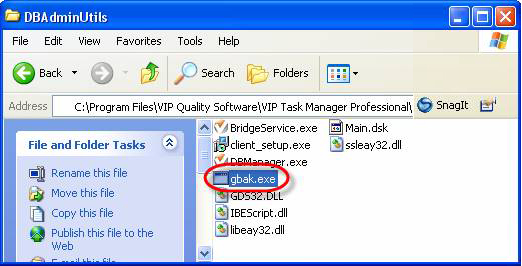
Go to C:\Program Files\VIP Quality Software\VIP Task Manager Professional\DBAdminUtils and check if there is gbak.exe file there
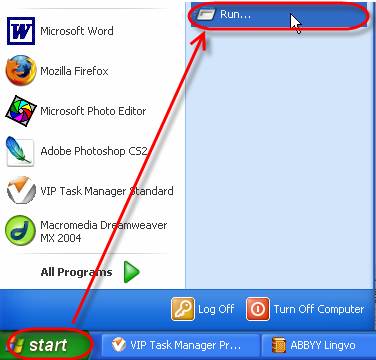
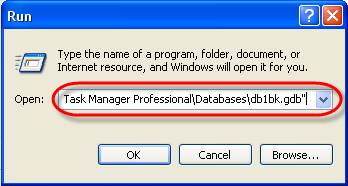
In "Open" line enter "cmd" and click 'Ok'. In the opened window enter the following:
"C:\Program Files\VIP Quality Software\VIP Task Manager Professional\DBAdminUtils\gbak" -B -V -user [User name] -password [Password] "[Firebird host name]:[path to .GDB file on Firebird host]" "[local path to .GBK file]"
For example:
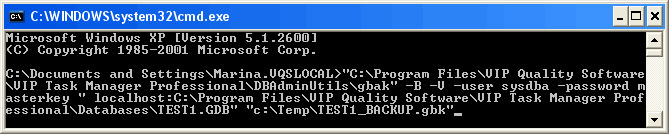
"C:\Program Files\VIP Quality Software\VIP Task Manager Professional\DBAdminUtils\gbak" -B -V -user sysdba -password masterkey "localhost:C:\Program Files\VIP Quality Software\VIP Task Manager Professional\Databases\TEST1.GDB" "c:\Temp\TEST1_BACKUP.gbk"
Change 'TEST1' to your database name, "c:\Temp\db1.gbk" to the path where you store your backups.
If you have any difference in the path, make corresponding changes as well.















 Try Travel Bundle FREE


